


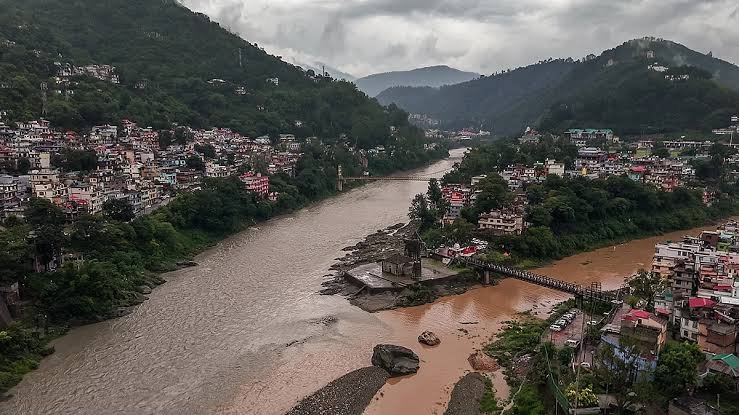
India Meteorological Department (IMD) has warned moderate flash flood risk in a number of the districts of Maharashtra, Goa and Gujarat where it had predicted the possibility of very heavy rainfall during the next 24 hours. Some areas could receive up to 200 mm of rain, increasing the risk of sudden flooding, waterlogging and landslides.
The warning comes as parts of India continue to witness an active southwest monsoon, with saturated soil and swollen rivers making many regions more vulnerable to rapid flooding.
Heavy rain raises flood threat across western India
According to IMD, districts in Konkan and Goa, Madhya Maharashtra and Gujarat face the highest flash flood risk. The weather agency said intense rainfall over a short period could cause streams and drains to overflow, especially in low-lying areas.
Officials have advised residents to remain alert and avoid travelling through flooded roads or riverbanks during heavy rain.
What exactly is a flash flood?
A flash flood may form within minutes or hours of heavy rain, unlike seasonal river floods which normally occur 100–150 hours after rainfall. The floods come when the land is unable to hold another drop of water or when the rivers, streams and drainage channels run very full.
High wind speeds can cause flash floods to be laden with mud, rocks and debris. Their speed and force make them among the most dangerous weather-related disasters.
How IMD predicts flash flood risk?
Flash flood warnings are issued using rainfall forecasts, satellite observations, Doppler weather radar data and hydrological models.
Scientists also assess soil moisture, river levels and local terrain to estimate where water could rise rapidly after intense rain.
Monsoon conditions continue to fuel extreme weather
The current southwest monsoon remains active across western India. IMD’s latest forecast predicts very heavy rainfall over parts of Maharashtra, Goa and Gujarat through July 9 before conditions gradually improve.
The weather pattern is being driven by abundant moisture from the Arabian Sea and favourable monsoon circulation.